The Ultimate Guide to Choosing the Right Concrete Driveway for Your Home
Did you know 93% of American homes have a driveway? Choosing the right driveway material is key for your home’s look and function. Concrete driveways are durable, versatile, and easy to maintain. They can last up to 30 years with the right care.
In this guide, we’ll help you pick the perfect concrete driveway for your home. We’ll cover the benefits of concrete, design options, and maintenance tips. Whether you’re building a new home or updating your driveway, this guide will help you make a smart choice and ensure a successful project.
Key Takeaways
- Concrete driveways offer durability, versatility, and low maintenance compared to other driveway materials.
- Proper site preparation and installation techniques are crucial for a long-lasting concrete driveway.
- High-quality concrete mixes and sealers enhance the driveway’s resistance to weathering, cracking, and staining.
- Decorative concrete options like stamped, colored, or exposed aggregate finishes can add visual appeal to your driveway.
- Regular maintenance, including cleaning, sealing, and prompt repair of cracks or potholes, is essential for maintaining the appearance and durability of your concrete driveway.
Introduction to Concrete Driveways
Choosing the right driveway material is important. Concrete is a great choice because it’s durable, easy to maintain, and looks good. It’s strong, versatile, and boosts your home’s curb appeal.
Benefits of Concrete Driveways
Concrete driveways are very durable. They can last 30 to 50 years with the right care. They handle heavy traffic, bad weather, and heavy vehicles well.
They also need little upkeep. Just clean and seal them every few years. In Columbus, sealing once a year helps protect against snow and storms.
Advantages Over Other Driveway Materials
Concrete beats asphalt in many ways. Asphalt driveways don’t last as long and need more care. This makes concrete a better value over time.
| Driveway Material | Average Lifespan | Maintenance Requirements |
|---|---|---|
| Concrete | 30-50 years | Periodic sealing every 2 years |
| Asphalt | 15-20 years | Frequent sealing and repairs |
Concrete is also better for the environment. It needs fewer chemicals and less heat to install. It also keeps your driveway cooler in Columbus’ hot summers.
Concrete driveways offer durability, longevity, and can enhance property value when well-maintained.
In summary, concrete driveways are a smart choice. They’re durable, easy to care for, and cost-effective. They make your home look good and last a long time.
Factors to Consider When Choosing a Concrete Driveway
Choosing the right concrete driveway involves several important factors. These include climate and weather, soil type and drainage, and the cost. Each of these plays a key role in your decision.
Climate and Weather Conditions
Your local climate affects your driveway’s life and performance. In cold areas, a strong concrete mix is needed to resist cracking. Concrete driveways can last decades if installed and cared for right.
Soil Type and Drainage
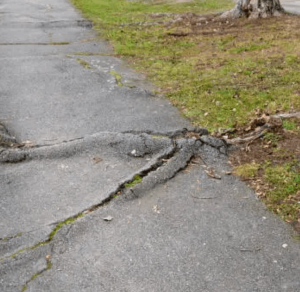
Soil type and drainage are crucial for your driveway. Bad drainage and unstable soil can cause settling and cracking. A professional should check your soil and design your driveway for good drainage.
Budget and Cost Considerations
Concrete driveways might cost more upfront than gravel or asphalt. But they save money and time in the long run. They’re durable, need little maintenance, and stop weeds.
| Driveway Material | Upfront Cost | Longevity | Maintenance |
|---|---|---|---|
| Plain Concrete | $$ | 20-30 years | Resealing every 15-20 years |
| Aggregate Concrete | $$$ | 20-30 years | Resealing every 15-20 years |
| Stenciled Concrete | $$$ | 20-30 years | Resealing and touch-ups |
| Permeable Pavers (TRUEGRID) | $$$$ | 40+ years | Minimal |
Decorative options like stenciled or aggregate concrete cost more but last as long as plain concrete. They also look better. TRUEGRID pavers, made from recycled plastic, are eco-friendly and need little care.
When choosing a concrete driveway, consider what matters most to you. This includes climate, drainage, and budget. This way, you make the best choice for your home and lifestyle.
Concrete Driveway Materials
Choosing the right concrete mix for your driveway is important. There are many options, each with its own benefits. They help balance durability, looks, and being good for the environment. Let’s look at the different driveway concrete mix designs available.
Standard Concrete Mix
A standard concrete mix is the most common choice for driveways. It’s made of cement, sand, gravel, and water. It’s strong and lasts a long time.
Plain concrete driveways are durable and need resealing every 15 to 20 years. This keeps them looking good and protects them from the weather. The cost of a concrete driveway is between $8 and $12 per square foot. This makes it a good choice for many homeowners.
High-Performance Concrete
High-performance concrete offers more strength and durability. It includes additives like fly ash and silica fume. These improve its strength, flexibility, and resistance to cracking and wear.
This type of concrete is great for driveways in extreme weather or with heavy traffic. It costs a bit more upfront but saves money in the long run due to less maintenance and a longer lifespan.
Eco-Friendly Concrete Options
Eco-friendly concrete options can reduce your environmental impact. Permeable concrete lets water pass through and into the ground. This reduces runoff and helps recharge groundwater.
Permeable pavers made from recycled plastic, like TRUEGRID PRO LITE and TRUEGRID PRO PLUS, are also good. They’re durable, need less maintenance, and prevent flooding.
Using concrete mixes with recycled materials is another eco-friendly choice. Materials like crushed glass and recycled aggregate can reduce your driveway’s carbon footprint. They still provide a strong and durable surface.
| Driveway Material | Average Cost per Square Foot |
|---|---|
| Concrete | $8 – $12 |
| Asphalt | $2 – $6 |
| Pavers | $10 – $50 |
| Turf | $10 – $15 |
| Brick | $10 – $30 |
| Gravel | $1 – $2 |
| Stamped Concrete | $12 – $18 |
When picking the right concrete mix for your driveway, think about your budget, what you want it to look like, and your environmental goals. Choosing a high-quality mix that fits your needs will give you a beautiful, lasting, and eco-friendly driveway. This will make your home look great for years.
Driveway Design and Layout
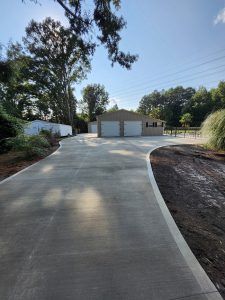
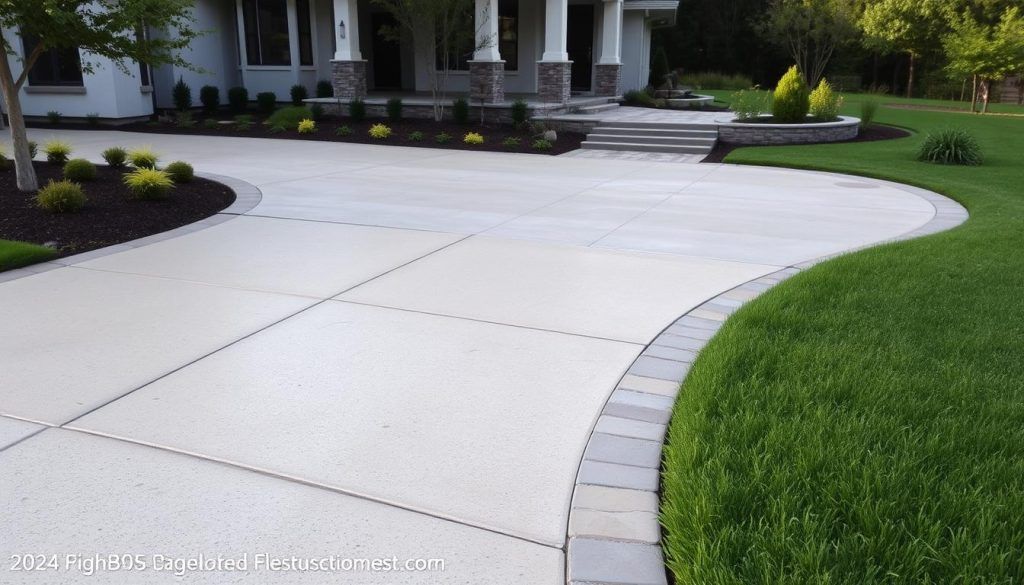
When planning your concrete driveway design , think about shape, size, slope, and how it fits with your home and landscaping. A good driveway layout boosts your property’s look and makes it functional and long-lasting.
Driveway Shape and Size
The driveway’s shape and size should fit your vehicles and match your home’s style. Residential driveways are usually 9 to 24 feet wide. Single-car driveways are 9 to 12 feet wide, and double-car driveways are 20 to 24 feet wide. Adding turnarounds, which are 10 feet by 20 feet or 20 feet by 20 feet, can be a good idea if you have enough space.
| Driveway Type | Width |
|---|---|
| Single-car | 9-12 feet |
| Double-car | 20-24 feet |
Slope and Drainage Considerations
It’s important to have the right slope and drainage for your driveway. The slope should be less than 15 percent for safety and to prevent water damage. Work with a professional to design a driveway that drains water away from your home’s foundation.
Integrating with Landscaping
To make your exterior look great, match your driveway design with your landscaping. Add planting beds, retaining walls, or decorative borders around your driveway. These features improve your home’s look and define the driveway area.
A well-designed concrete driveway layout seamlessly blends functionality and aesthetics, creating a welcoming entrance to your home that stands the test of time.
By planning your driveway’s shape, size, slope, and landscaping integration, you can add a beautiful and useful feature to your property. It will increase your home’s value and curb appeal.
Decorative Concrete Driveway Options
Decorative concrete driveways can add elegance and personality to your home’s exterior. There are many styles to choose from. You can find one that matches your home’s look and boosts its curb appeal.
Stamped Concrete
Stamped concrete driveways are popular for their high-end look without the high cost. Contractors use mats and stamps to create patterns that look like brick, stone, or slate. This option is cheaper than pavers but still looks great.
Colored Concrete
Colored concrete driveways let you pick from many colors. The color is mixed into the concrete, so it lasts long. Once it dries, the true color shows. It’s a modern choice that’s easy to maintain.
| Driveway Type | Popularity | Maintenance |
|---|---|---|
| Plain Concrete | Most common | Reseal every 15-20 years |
| Colored Concrete | Popular for sleek look | Similar to plain concrete |
| Stamped Concrete | Budget-friendly alternative to pavers | Requires regular sealing |
Exposed Aggregate Finish
Exposed aggregate concrete driveways show off the beauty of the aggregates. By removing the top layer, you see the stones and sand. It’s a unique look that’s also slip-resistant. For a glossy finish, use a wet look sealant.
Concrete mixed with aggregate creates a textured look preferred by many homeowners; the correct ratio of aggregate to concrete is crucial for durability.
Choosing decorative concrete for your driveway requires working with experienced contractors. They’ll help you pick the right design and ensure it lasts. Your driveway will be a beautiful and functional part of your home for years.
Concrete Driveway Installation Process
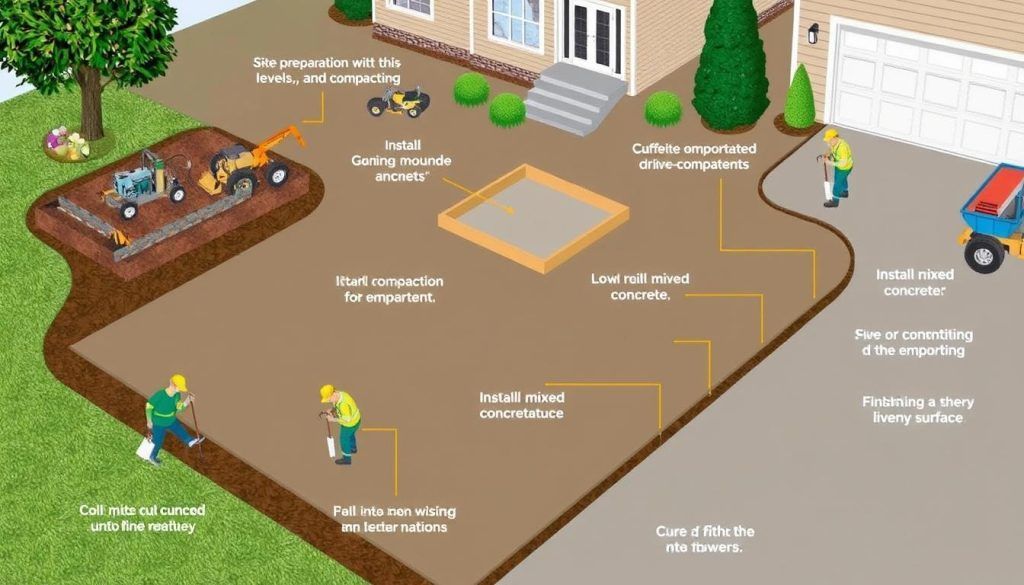
Installing a concrete driveway is a detailed process. It needs careful planning and execution for a durable surface. Knowing the installation steps helps you make good choices and work well with your contractor.
Site Preparation and Subbase
The first step is preparing the site. This means removing any plants, debris, or old structures. After clearing, the soil is leveled and compacted for a solid base.
A layer of gravel or crushed stone, 4 to 6 inches thick, is then added. This helps spread the concrete’s weight and prevents settling.
Using a plate compactor or hand tamp is crucial to compact the soil and fill material to support the weight of the concrete for the driveway.
Formwork and Reinforcement
Next, the subbase is prepared. Wooden forms are set up around the driveway to shape it. These forms are made from 1 inch by 4 inch pine boards and are secured with stakes.
Reinforcement is added inside the forms to strengthen the concrete. This can include steel mesh, rebar, or polypropylene fibers. The choice depends on the driveway’s thickness, traffic, and climate.
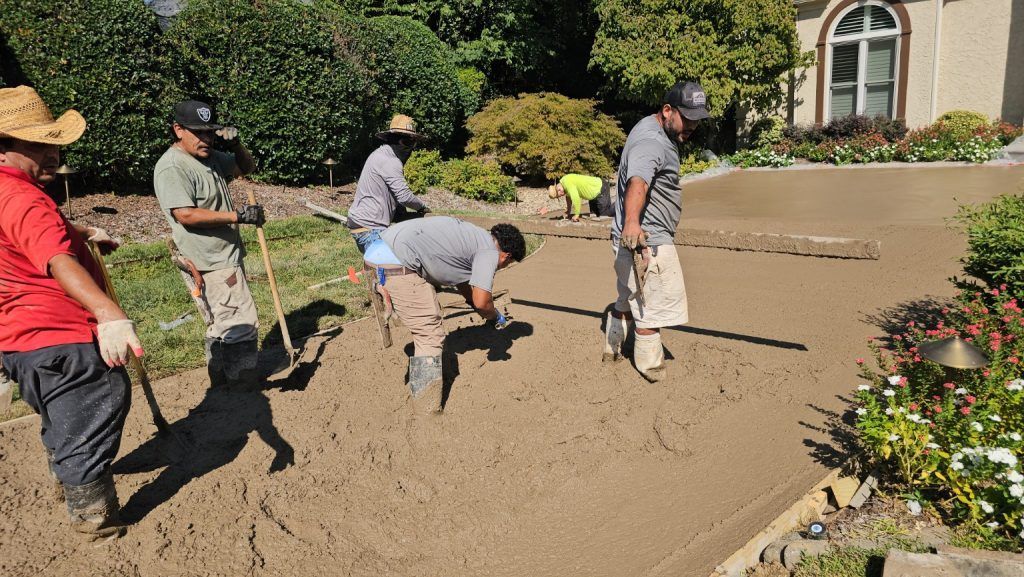
Pouring and Finishing Techniques
With everything set, the concrete is poured. The mix should be strong enough for residential use, with a minimum of 3000 to 4000 psi. The thickness varies based on the vehicle weight, usually 4 to 6 inches for light vehicles and 6 to 8 inches for heavy ones.
| Driveway Type | Recommended Thickness | Concrete Strength |
|---|---|---|
| Residential (lightweight vehicles) | 4″ to 6″ | 3000 to 4000 psi |
| Commercial (heavy-duty trucks) | 6″ to 8″ | 4000 to 5000 psi |
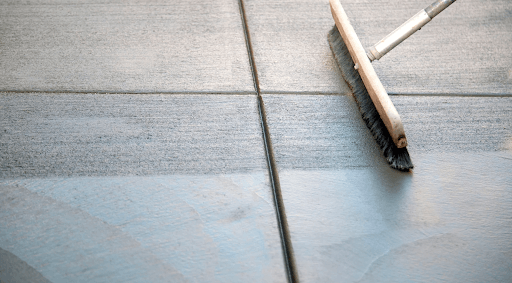
After pouring, the concrete is leveled and smoothed. Various techniques can be used for the finish, like smooth troweling or brooming. This gives the driveway a sleek or textured look.
Once finished, the concrete needs at least seven days to cure before it can handle heavy use.
Understanding the concrete driveway installation process helps you work well with your contractor. This ensures a durable and beautiful driveway for your home.
Concrete Driveway Maintenance and Repair
Keeping your concrete driveway in good shape is important. It helps it last longer and look better. I’ll share tips on cleaning, sealing, fixing cracks and potholes, and winter care to keep it looking great.
Regular Cleaning and Sealing
Cleaning your driveway regularly is key. Remove dirt and stains quickly to avoid damage. Use a good sealer every two to three years to protect it from water and stains.
Sealing it early can also stop stains from oil and grease. This helps your driveway last longer.
Crack and Pothole Repair
Fix cracks and potholes fast to avoid more damage. Water can get in and cause problems in cold weather. Use the right materials and let repairs dry well to avoid weak spots.
| Repair Material | Curing Time | Suitable for |
|---|---|---|
| Concrete Patching Compound | 24-48 hours | Small cracks and holes |
| Concrete Resurfacer | 48-72 hours | Shallow surface damage |
| Polymer-Modified Concrete | 72-96 hours | Deep cracks and potholes |
Winter Maintenance Tips
Winter can be tough on driveways. Avoid using rock salt and de-icers to prevent damage. Use safer options like cat litter or sand for traction.
When clearing snow, use plastic shovels or snow blowers to avoid harm to the concrete.
“As a homeowner, I know that maintaining my concrete driveway is an investment in my property. By following these simple tips for cleaning, sealing, and repairing my driveway, I can ensure that it remains beautiful and functional for years to come.”
Regular checks and quick fixes are crucial for your driveway’s life. By taking care of it, you avoid expensive repairs and even increase your property’s value.
Conclusion
Choosing the right concrete driveway for your home is important. You need to think about the climate, budget, design, and upkeep. By considering these, you can get a driveway that looks good and works well for a long time.
Concrete driveways have many benefits. They are durable, easy to care for, and can be made to look great. With the right care, they can last up to 50 years. You can also choose from many designs to match your home.
When starting your driveway project, pick quality materials and a skilled contractor. They will help you plan and install it right. This way, you’ll get a driveway that looks great, works well, and adds value to your home.
FAQ
How long do concrete driveways typically last?
Concrete driveways can last 30 years or more. This is if they are installed and maintained properly. They are a durable and long-lasting choice for your home.
What are the benefits of choosing a concrete driveway over other materials?
Concrete driveways are more durable and last longer than asphalt or gravel. They also need less maintenance. Plus, you can customize them with decorative options to make your home look better.
How much does a concrete driveway cost?
The cost of a concrete driveway depends on its size, location, and design. On average, it costs between $4 to $8 per square foot. Decorative options will cost more.
What is the best concrete mix for a driveway?
A standard mix with 4,000 psi strength is good for most driveways. For better durability, use a high-performance mix or add steel mesh or fibers.
Can I install a concrete driveway myself, or should I hire a professional?
You can try installing a driveway yourself, but it’s better to hire a professional. They have the knowledge and tools needed for a durable driveway.
How can I maintain my concrete driveway to keep it looking its best?
To maintain your driveway, clean it regularly to remove dirt and stains. Seal it every few years to protect it. Fix any cracks or potholes quickly. Avoid harsh deicing chemicals in winter.
What decorative options are available for concrete driveways?
You can choose from stamped concrete that looks like stone or brick, colored concrete in many hues, or exposed aggregate finishes. These options let you match your driveway to your home’s style.
How long does it take to install a concrete driveway?
Installing a driveway takes 2-5 days. This depends on the driveway’s size and design. It includes preparing the site, pouring, finishing, and curing time before it’s ready.
Is a concrete driveway environmentally friendly?
Yes, concrete driveways can be eco-friendly. Use permeable mixes to drain water and reduce runoff. Using recycled aggregates or supplementary materials also helps the environment.