How Balcony Waterproofing Protects Your Home From Water Intrusion

Page Admin • July 26, 2026

Balconies take more weather abuse than almost any other part of a house. Rain, sun, freeze-thaw cycles, and daily foot traffic all hit the same horizontal surface year after year. When the waterproofing underneath fails, the damage happens where you can’t see it, often for months before any warning sign shows up on the surface.

Youngblood Waterproofing and Concrete Services inspects and repairs balconies across the Charlotte region every week, and the same pattern shows up again and again: a balcony looks fine on top while the plywood underneath is quietly rotting away. This guide breaks down why that happens, what to watch for and what a proper waterproofing repair actually involves.

Why Balconies Are So Vulnerable to Water Intrusion

A balcony is a horizontal surface exposed to the elements 100% of the time. Unlike a roof, which is designed with steep pitches to shed water quickly, many balconies are built with little to no slope. Water sits instead of draining, and standing water is one of the fastest ways to break down a waterproofing system.

According to building envelope research cited by Valordek, water infiltration is responsible for more than 75% of all building envelope warranty claims in coastal climates. The financial impact adds up quickly too. Restoration industry estimates put the cost of remediating water damage from a single failed balcony between $3,000 and $10,000 per affected unit, and that figure only covers the damage left behind by the leak, not the waterproofing repair itself.

The Most Common Culprits

Youngblood Waterproofing and Concrete Services sees a few recurring issues on almost every balcony repair call:

  • Little or no slope, which allows water to pool instead of draining off the deck
  • Deteriorating top surfaces, whether that’s stamped concrete, tile, or natural stone
  • Damaged plywood substrate hiding underneath the surface layer

Almost every time the damaged top covering comes off, the plywood underneath is already rotting. The surface material can look completely intact right up until it fails.

Warning Signs Homeowners Should Never Ignore

Water damage on a balcony rarely announces itself with a dramatic collapse. It shows up in small, easy-to-miss details first. Homeowners should watch for:

  • Standing water that doesn’t move off the deck after rain, even hours later
  • Stains on the ceiling underneath the balcony, which usually mean water has already made it through the structure
  • Brittle or cracking concrete, tile, or stone on the balcony surface

Any one of these signs is worth a professional look. Together, they usually mean water has already reached the plywood substrate below.

What Gets Damaged When Water Gets In

Once water penetrates a balcony surface, it doesn’t stop at the top layer. It moves downward and outward, affecting:

  • The wood substructure and plywood decking
  • Structural joists supporting the balcony
  • Ceilings in the room directly below
  • The top coating itself, whether that’s travertine, concrete, or tile

This is why a balcony that looks like a simple surface repair often turns into a much bigger project once the demolition starts. The damage underneath is usually worse than what’s visible from the top.

What a Proper Waterproofing System Involves

Youngblood Waterproofing and Concrete Services uses a tier 1 waterproofing system built around a four step process. The goal is a repair that protects the balcony for years, not a patch that needs to be redone every season.

A typical waterproofing project includes:

Component Purpose
New plywood Replaces rotted or compromised substrate with a solid, dry base
Aluminum flashing Directs water away from vulnerable edges and transitions
Waterproofing self leveling membrane Creates a continuous water barrier across the entire deck surface
Protective top coat Shields the membrane and restores a finished, walkable surface

This system addresses the horizontal surfaces most prone to water problems, along with the framing and coverings connected to them.

Mistakes That Make Water Intrusion Worse

Some of the most common balcony problems Youngblood Waterproofing and Concrete Services encounters come from well-intentioned but incomplete fixes. Two mistakes show up more than any others:

Relying on Caulk or Sealer Alone

Caulking or sealing the top layer might look like a fix, but these products fail quickly under constant sun and rain exposure. A short-term fix like this often prolongs the underlying issue and can create new problems by trapping moisture instead of removing it.

Using Indoor Products Outdoors

Products designed for indoor use, like Red Guard, are sometimes applied to exterior balconies. These products aren’t built to handle direct weather exposure and tend to fail far sooner than an outdoor-rated waterproofing system.

How Often Should Balconies Be Inspected?

Balconies should be inspected at minimum once a year. Water damage can progress quickly once one component of the system fails, so an annual check gives homeowners a chance to catch problems before they spread to the structure below.

Certain seasons bring more service calls than others. Spring and fall tend to see the highest volume of waterproofing repair requests, likely tied to seasonal temperature swings and precipitation patterns.

The Long-Term Value of Doing It Right the First Time

The biggest benefit of proper waterproofing is the long-term life of the structure. A correctly installed system means homeowners aren’t stuck remedying the same water damage every couple of years. Waterproofing protects the substructure and mitigates water properly, which directly extends the lifespan of the entire balcony.

Doing the job once, with the right materials and the right process, removes the need to worry about these repairs down the road.

Why Do Homeowners Choose Youngblood Waterproofing and Concrete Services?

Balcony repair isn’t a single-trade job. Most projects require a waterproofing team, a framing team, and a concrete team working together. Youngblood Waterproofing and Concrete Services keeps all three skill sets in house, which means the team can recognize an issue and carry out the full solution without bouncing the project between separate contractors.

The company works with both residential and commercial properties, with most projects centered on homes, and serves a 100 mile radius around Charlotte. If standing water, ceiling stains, or brittle concrete have shown up on your balcony, reach out for an inspection before the damage spreads any further. A one-time waterproofing repair now can save years of recurring, costly fixes later.

Schedule a balcony inspection today and get a clear, honest assessment of what’s happening beneath the surface. Contact the Youngblood Waterproofing and Concrete Services team to book your inspection and protect your home before minor damage turns into a major repair. 

Frequently Asked Questions

How do I know if my balcony has a waterproofing problem?

Look for standing water that doesn’t drain off the deck after rain, stains on the ceiling underneath the balcony, and concrete, tile, or stone that feels brittle or is starting to crack. Any of these signs is worth a professional inspection.

How often should a balcony be inspected?

At minimum, once a year. Water damage can progress quickly once a single component fails, so an annual inspection gives homeowners a chance to catch problems early, before they reach the structure below.

Will caulking or sealing my balcony fix the problem?

No. Caulk and sealer applied to the top layer only address the surface. These products fail quickly under constant sun and rain exposure, and relying on them often prolongs the underlying issue instead of solving it.

What does a proper balcony waterproofing repair include?

A typical project includes new plywood to replace any rotted substrate, aluminum flashing to direct water away from vulnerable edges, a self leveling waterproofing membrane, and a protective top coat to finish the surface.

Does waterproofing actually extend the life of a balcony?

Yes. Waterproofing protects the substructure and mitigates water properly, which directly extends how long the balcony lasts and reduces the chance of repeat repairs down the road.
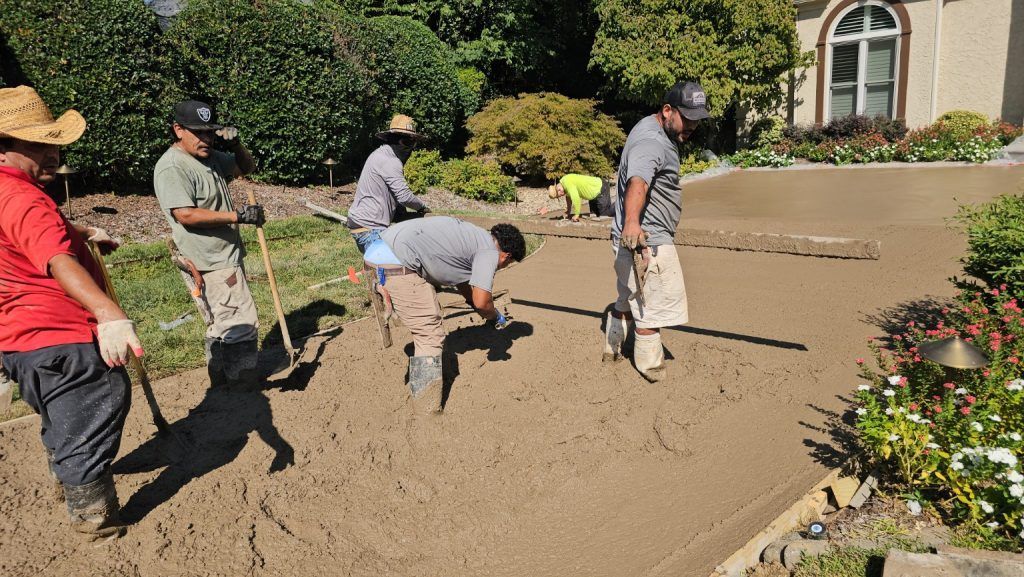

People landscaping a yard, raking and leveling fresh soil beside a house and flower beds.
By Page Admin • October 9, 2026
Finished driveways are easy to judge by eye. Most homeowners look at a new one the way they’d look at a fresh coat of paint. Is it clean? Is it even? Is it the right color? But a truly finished driveway is doing a lot more work than what your eye can catch on a walkthrough. Understanding what “finished” really means and what corners get cut when it isn’t, can save you from a driveway that looks fine in month one and starts causing problems by year two. What “Finished” Actually Means on a Concrete Driveway A finished driveway isn’t just a smooth slab. It’s the combination of: According to National Ready Mixed Concrete Association (NRMCA) guidance on finishing concrete, getting that surface quality right depends on timing the work correctly relative to the concrete’s own curing process, not just how it looks once it’s troweled. None of that surface work matters, though, if what’s underneath isn’t right. Dependable base support and proper grading for drainage have to be in place before the concrete is ever poured. Joint placement and curing time matter just as much as the visible finish, even though most homeowners never think to ask about them. […]
Hands arranging printed photos on a backlit table in a blue-toned workspace
By Page Admin • June 26, 2025
Welcome to our in‐depth guide on waterproofing material. In our projects, waterproofing – including techniques like concrete waterproofing and balcony waterproofing – is a critical factor in protecting structures against water damage, improving durability, and ensuring longevity. This article explains what waterproofing material is, details its various types and methods such as patio waterproofing, and provides guidance on selecting, maintaining, and inspecting these materials. Our discussion is organized into clear sections that address key questions raised during project planning and implementation. What Is Waterproofing Material and Why Is It Important for Your Project? Waterproofing material is a substance used to prevent water infiltration and protect building substrates from moisture damage. In many constructions, concrete waterproofing is essential for ensuring that surfaces like concrete remain resilient against water exposure. Reliable waterproofing solutions not only enhance longevity and safeguard structural integrity but also ensure compliance with building codes, making balcony waterproofing a preferred choice for exposed residential areas. By forming a barrier against soil moisture, condensation, and extreme weather conditions, these materials protect foundations, decks—where pool-deck-waterproofing is often applied—basements, and other critical components. Different Types of Waterproofing Materials There are several types of waterproofing materials available. Examples include: – Bituminous membranes: Used […]
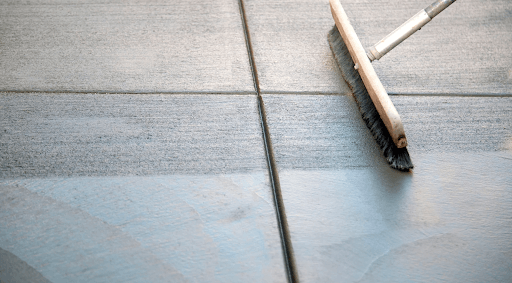
Broom sweeping dust from a gray tiled floor near a grout line
By Page Admin • May 28, 2025
Summer is the perfect time to expand your outdoor living space. But if the idea of installing a concrete patio feels out of reach financially, you’re not alone. Many Charlotte homeowners want to improve their backyard without stretching their budget. The good news? Concrete patios offer excellent value, and with the right choices, you can get a durable, attractive patio that fits your space and your wallet. At Youngblood Waterproofing and Concrete Services, we help clients across the Charlotte area choose patio options that make sense for their home and their budget. This guide breaks down practical ideas that combine affordability, function, and style. In this article, we’ll show you concrete ideas in Charlotte NC, to give you inspiration for your next concrete project.  Why Concrete Is a Smart Choice for Patios Concrete patios offer a strong return on investment, especially compared to wood or pavers. Here’s why: Durability: A properly installed concrete patio lasts for decades with minimal upkeep. Low Maintenance: No sealing, staining, or sanding needed—just an occasional sweep and hose-off. Design Flexibility: Concrete can be shaped and finished in a variety of ways to suit your style. Concrete is one of the smartest materials available if you’re […]
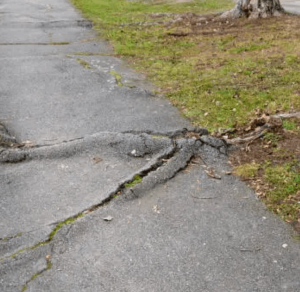
Cracked sidewalk with raised pavement slabs and a grass edge near a tree
By Page Admin • April 29, 2025
Homeowners often face a tough decision when signs of concrete damage appear. Deciding between a complete replacement or a targeted repair depends on factors such as the extent of damage, the age of the installation, and your long-term plans. This guide explains the key differences so you can make an informed choice without overspending on unnecessary work. In this article, we’ll tell you if you need a concrete driveway repair or replace it entirely.  How to Recognize Common Issues Before deciding on replacement or concrete repair, it is important to identify common problems: Cracking and Spalling: Small cracks or minor flaking might only need repair work. However, deep cracks that run the full length of your driveway or patio raise concerns about structural integrity. Uneven Surfaces: If the surface shows uneven areas or depressions that create safety concerns, a repair might suffice—but only if the underlying structure remains sound. Staining and Surface Erosion: Surface-level stains caused by weather or chemical spills can often be repaired with resurfacing methods, unlike more severe damage. In Charlotte, homeowners sometimes experience these issues due to local weather patterns and the clay-heavy soil. Recognizing the severity of these issues is your first step toward the […]
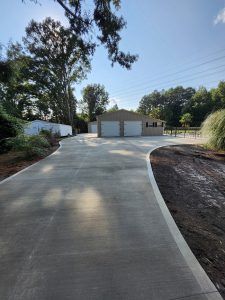
Curved concrete driveway leading to a two-car garage, bordered by trees and landscaping under a blue sky
By Page Admin • April 17, 2025
When you’re considering a new concrete driveway, price is often the first thing on your mind—and for good reason. Installing a driveway is a major investment, and homeowners in Charlotte want to feel confident they’re spending their money wisely. But with quotes ranging anywhere from $4 to $15 per square foot, it can be hard to tell what you’re actually paying for. At Youngblood Waterproofing and Concrete Services, we believe in full transparency. Here’s a closer look at what goes into the concrete driveway cost Charlotte NC, and how to make smart choices that support both your budget and long-term durability. What’s Included in the Cost of a Concrete Driveway?   The average homeowner in Charlotte pays between $5,000 and $12,000 for a standard two-car concrete driveway. That price can swing higher or lower depending on several factors, but the general breakdown includes the following: 1. Concrete Material Itself Concrete is typically sold by the cubic yard. A standard driveway pour might require 10 to 20 cubic yards of concrete, and at $130–$150 per cubic yard in the Charlotte market, that adds up quickly. Costs also vary based on the mix (basic vs. high-strength or fiber-reinforced). 2. Labor Labor is […]
Blue swimming pool beside wooden deck with lounge chairs, table, and potted plants
By Page Admin • November 1, 2024
Installing a concrete pool deck can completely transform your outdoor space, making it more functional, attractive, and durable. However, without proper planning and execution, costly mistakes can arise, leading to unnecessary expenses and frustrations. Here are the most common mistakes people make during concrete pool deck installation, along with tips on how to avoid them. If you’re planning a pool deck project, read on to save yourself time, money, and headaches! Why Proper Installation Matters? A concrete pool deck not only adds value to your home but also enhances the safety and aesthetics of your pool area. However, many Denver homeowners rush into the installation process without considering critical factors. From poor planning to improper materials, these mistakes can lead to cracked, uneven surfaces and costly repairs. Common Mistakes of Concrete Pool Deck Installation (and How To Avoid Them) This guide will discuss the mistakes to avoid and offer expert insights to help you achieve a flawless concrete pool deck installation. 1) Poor Planning and Design One of the most common mistakes people must correct is rushing through the planning phase. A concrete pool deck isn’t just about pouring concrete—it requires a detailed design plan considering drainage, landscaping, and usage. […]
By Page Admin • November 1, 2024
Are you considering a new concrete driveway or patio in Denver and debating whether to do it yourself or hire a professional? This decision isn’t just about upfront money; it’s about long-term quality and potential risks. The Challenge of Concrete Work When pouring concrete, especially in a place like Denver with its extreme temperature fluctuations, the choice between DIY and hiring a Concrete Contractor in Denver could make or break your project. While DIY seems more budget-friendly, there are hidden pitfalls that can end up costing more than you might expect. DIY Concrete Projects A cost-effective option for small projects but involves high risks of errors and significant time investment, which can lead to increased expenses over time. 1) Material and Equipment Costs 2) Labor and Time Commitment 3) Hidden Costs Hiring a Concrete Contractor in Denver Provides professional expertise, quality results, and long-term warranties, ultimately saving time and money, especially for larger, complex projects that require precision. 1) Upfront Pricing vs. Long-term Savings Hiring a Concrete Contractor in Denver might seem costlier initially, but these professionals provide comprehensive quotes covering labor, materials, and equipment. Bulk rates for materials can also lower the costs compared to what a DIYer would […]
By Page Admin • November 1, 2024
Living in Denver has its fair share of stunning views, but it also means enduring unpredictable and harsh weather conditions. With freezing winters, scorching summers, and sudden rainfall, outdoor structures—especially balconies—can face significant wear and tear. This begs the question: Can balcony waterproofing protect against Denver’s harsh weather? The answer is a resounding yes!Learn how balcony waterproofing in Denver and almost anywhere can safeguard your outdoor spaces, prolong your balcony’s lifespan, and enhance your home’s value. From understanding how Denver’s weather impacts your balcony to the best waterproofing methods available, we’ve got you covered! Why is Balcony Waterproofing So Important in Denver? Denver’s climate is known for its extremes. From intense UV rays in the summer to freezing temperatures and snow during winter, these weather changes can significantly impact the structural integrity of your balcony. Moisture can seep into cracks without proper balcony waterproofing, leading to rotting wood, rusting metal, and, eventually, costly repairs or structural failure. Balcony waterproofing is essential to prevent water damage, maintain safety, and enhance the durability of outdoor spaces. In the following sections, we’ll discuss the key benefits of waterproofing your balcony, explain how it works, and answer common questions. How Does Denver’s Weather Impact […]
By Page Admin • November 1, 2024
A pool deck goes through a lot year after year. Between constant sun exposure, heavy foot traffic, rain, pool chemicals, and moisture buildup, the surface naturally starts to wear down over time. Without proper protection, small cracks and surface damage can eventually lead to larger structural issues that are much more expensive to repair. That’s why pool deck waterproofing is an important part of long-term maintenance. A properly sealed and waterproofed surface helps protect the concrete from water intrusion, chemical exposure, and premature deterioration while keeping the area safer and easier to maintain. At Youngblood Waterproofing & Concrete Services, we help homeowners protect their pool decks with waterproofing solutions designed to improve durability and extend the life of concrete surfaces. Why Pool Deck Waterproofing Matters Pool decks are constantly exposed to moisture. Even when water dries from the surface, some of it can still seep into small pores and cracks in the concrete. Over time, this moisture can weaken the surface and contribute to cracking, erosion, discoloration, and surface deterioration. Pool chemicals can also gradually wear down unprotected concrete. Chlorine, saltwater systems, and cleaning chemicals may accelerate surface damage if waterproofing protection begins to break down. Waterproofing creates a protective […]