7 Costly Mistakes People Make During Concrete Pool Deck Installation

Page Admin • November 1, 2024

Installing a concrete pool deck can completely transform your outdoor space, making it more functional, attractive, and durable. However, without proper planning and execution, costly mistakes can arise, leading to unnecessary expenses and frustrations. Here are the most common mistakes people make during concrete pool deck installation , along with tips on how to avoid them. If you’re planning a pool deck project, read on to save yourself time, money, and headaches!

Why Proper Installation Matters?

A concrete pool deck not only adds value to your home but also enhances the safety and aesthetics of your pool area. However, many Denver homeowners rush into the installation process without considering critical factors. From poor planning to improper materials, these mistakes can lead to cracked, uneven surfaces and costly repairs.

Common Mistakes of Concrete Pool Deck Installation (and How To Avoid Them)

This guide will discuss the mistakes to avoid and offer expert insights to help you achieve a flawless concrete pool deck installation .

1) Poor Planning and Design

One of the most common mistakes people must correct is rushing through the planning phase. A concrete pool deck isn’t just about pouring concrete—it requires a detailed design plan considering drainage, landscaping, and usage.

How to Avoid It:

  • Start with a well-thought-out design that complements your pool and landscaping.
  • Plan for proper drainage to prevent water pooling, which can weaken the concrete over time.
  • Consider how the deck will be used (lounging, foot traffic, etc.) and design for durability in those areas.


2) Choosing the Wrong Concrete Mix

Concrete mix quality is a critical factor in the longevity and durability of your pool deck. Opting for the wrong type of concrete can lead to premature cracking, uneven settling, and the need for repairs.

How to Avoid It:

  • Use a high-quality concrete mix with the right cement, sand, and aggregate ratio.
  • Consider Denver’s freeze-thaw cycles and select a mix designed for extreme weather conditions.
  • Consult with a concrete contractor to ensure you’re using the best materials for the project.

3) Incorrect Sloping and Drainage

Improper sloping is a major issue that can cause water to pool on your deck, leading to slipping hazards and water damage. A pool deck should always have the right slope to guide water away from the pool and foundation.

How to Avoid It:

  • Ensure the deck has a minimum slope of 1/8 inch per foot to facilitate proper drainage.
  • Work with professionals who can accurately calculate the slope based on the deck’s size and shape.

4) Inadequate Reinforcement

Many homeowners overlook the importance of reinforcing their concrete pool deck. Without proper reinforcement, the deck is likelier to crack under pressure, especially in high-traffic areas or around the pool edges.

How to Avoid It:

  • Incorporate rebar or mesh reinforcement during the installation process to strengthen the concrete.
  • Reinforce vulnerable areas, such as around the pool edges, where the deck is more susceptible to cracking.

5) Ignoring Expansion Joints

Concrete naturally expands and contracts with temperature changes, and ignoring expansion joints can lead to cracking. These joints allow the concrete to move slightly without causing significant damage.

How to Avoid It:

  • Add expansion joints every 10 to 15 feet to accommodate temperature-related expansion.
  • Ensure the joints are sealed to prevent water from seeping into them and damaging the concrete.

6) Skipping the Curing Process

Curing is one of the most important steps in concrete pool deck installation , yet it’s often rushed or overlooked. Proper curing allows the concrete to reach its full strength and prevents cracks from forming.

How to Avoid It:

  • Allow the concrete to cure for at least 7 days before using the deck. Some contractors recommend a curing period of up to 28 days for optimal results.
  • Keep the concrete moist during the curing process to prevent it from quickly drying, which can lead to cracking.

7) Neglecting Finishing and Sealing


The finishing touches of a concrete pool deck—like texturing and sealing—are crucial to its durability and appearance. Skipping these steps can result in a deck that’s prone to surface damage, staining, and lack of slip resistance.

How to Avoid It:

  • Apply a slip-resistant finish to the deck to enhance safety, especially in wet areas around the pool.
  • Seal the concrete to protect it from weather elements, UV rays, and chemicals like chlorine.
  • Reapply the sealant periodically (every 2 to 3 years) to maintain the deck’s appearance and durability.

Frequently Asked Questions About Concrete Pool Deck Installation

Here are answers to some common questions homeowners often have regarding concrete pool deck installation . Understanding these details can help you avoid costly mistakes and ensure a smooth, successful project. From installation timelines to preventing cracks, we’ve covered the essential points to help you make informed decisions about your pool deck.

How long does a concrete pool deck take to install?

Depending on the complexity of the design and weather conditions, a concrete pool deck installation typically takes 1 to 2 weeks. This includes time for preparation, pouring, finishing, and curing.

What’s the average cost of a concrete pool deck?


The cost varies depending on factors like the size of the deck, design complexity, and materials used. On average, homeowners in Denver can expect to spend between $6 to $10 per square foot for basic concrete, with higher costs for decorative finishes or additional features.

Can I install a concrete pool deck myself?

While DIY installation is possible, specialized knowledge and tools are required to ensure proper drainage, reinforcement, and finishing. Hiring a professional concrete contractor can help you avoid common mistakes and ensure a high-quality result.

How can I prevent my pool deck from cracking?

To prevent cracking, ensure proper installation techniques are used, including the right concrete mix, reinforcement, and curing processes. Additionally, consider sealing the concrete to protect it from water, chemicals, and temperature fluctuations.

Planning to Avoid Costly Mistakes?

Installing a concrete pool deck can significantly improve the look and functionality of your outdoor space, but it’s crucial to avoid the common mistakes discussed above. By focusing on proper planning, reinforcement, and finishing, you can ensure a durable, long-lasting pool deck that meets your needs.If you’re looking for a reliable partner for your project, Youngblood Waterproofing & Concrete Services is a trusted provider in Denver. They specialize in concrete installation and waterproofing, offering expert guidance to ensure your pool deck is installed correctly and beautifully. Their professional team helps homeowners avoid costly errors and achieve superior results that stand the test of time.
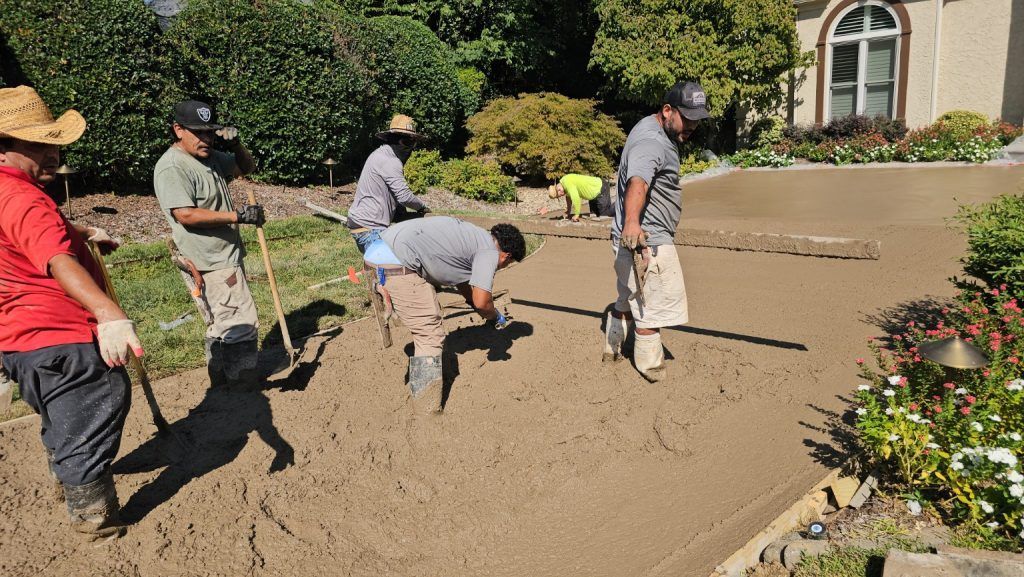

People landscaping a yard, raking and leveling fresh soil beside a house and flower beds.
By Page Admin • October 9, 2026
Finished driveways are easy to judge by eye. Most homeowners look at a new one the way they’d look at a fresh coat of paint. Is it clean? Is it even? Is it the right color? But a truly finished driveway is doing a lot more work than what your eye can catch on a walkthrough. Understanding what “finished” really means and what corners get cut when it isn’t, can save you from a driveway that looks fine in month one and starts causing problems by year two. What “Finished” Actually Means on a Concrete Driveway A finished driveway isn’t just a smooth slab. It’s the combination of: According to National Ready Mixed Concrete Association (NRMCA) guidance on finishing concrete, getting that surface quality right depends on timing the work correctly relative to the concrete’s own curing process, not just how it looks once it’s troweled. None of that surface work matters, though, if what’s underneath isn’t right. Dependable base support and proper grading for drainage have to be in place before the concrete is ever poured. Joint placement and curing time matter just as much as the visible finish, even though most homeowners never think to ask about them. […]
By Page Admin • July 26, 2026
Balconies take more weather abuse than almost any other part of a house. Rain, sun, freeze-thaw cycles, and daily foot traffic all hit the same horizontal surface year after year. When the waterproofing underneath fails, the damage happens where you can’t see it, often for months before any warning sign shows up on the surface. Youngblood Waterproofing and Concrete Services inspects and repairs balconies across the Charlotte region every week, and the same pattern shows up again and again: a balcony looks fine on top while the plywood underneath is quietly rotting away. This guide breaks down why that happens, what to watch for and what a proper waterproofing repair actually involves. Why Balconies Are So Vulnerable to Water Intrusion A balcony is a horizontal surface exposed to the elements 100% of the time. Unlike a roof, which is designed with steep pitches to shed water quickly, many balconies are built with little to no slope. Water sits instead of draining, and standing water is one of the fastest ways to break down a waterproofing system. According to building envelope research cited by Valordek, water infiltration is responsible for more than 75% of all building envelope warranty claims in coastal […]
Hands arranging printed photos on a backlit table in a blue-toned workspace
By Page Admin • June 26, 2025
Welcome to our in‐depth guide on waterproofing material. In our projects, waterproofing – including techniques like concrete waterproofing and balcony waterproofing – is a critical factor in protecting structures against water damage, improving durability, and ensuring longevity. This article explains what waterproofing material is, details its various types and methods such as patio waterproofing, and provides guidance on selecting, maintaining, and inspecting these materials. Our discussion is organized into clear sections that address key questions raised during project planning and implementation. What Is Waterproofing Material and Why Is It Important for Your Project? Waterproofing material is a substance used to prevent water infiltration and protect building substrates from moisture damage. In many constructions, concrete waterproofing is essential for ensuring that surfaces like concrete remain resilient against water exposure. Reliable waterproofing solutions not only enhance longevity and safeguard structural integrity but also ensure compliance with building codes, making balcony waterproofing a preferred choice for exposed residential areas. By forming a barrier against soil moisture, condensation, and extreme weather conditions, these materials protect foundations, decks—where pool-deck-waterproofing is often applied—basements, and other critical components. Different Types of Waterproofing Materials There are several types of waterproofing materials available. Examples include: – Bituminous membranes: Used […]
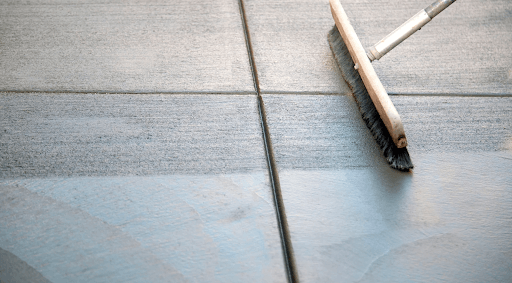
Broom sweeping dust from a gray tiled floor near a grout line
By Page Admin • May 28, 2025
Summer is the perfect time to expand your outdoor living space. But if the idea of installing a concrete patio feels out of reach financially, you’re not alone. Many Charlotte homeowners want to improve their backyard without stretching their budget. The good news? Concrete patios offer excellent value, and with the right choices, you can get a durable, attractive patio that fits your space and your wallet. At Youngblood Waterproofing and Concrete Services, we help clients across the Charlotte area choose patio options that make sense for their home and their budget. This guide breaks down practical ideas that combine affordability, function, and style. In this article, we’ll show you concrete ideas in Charlotte NC, to give you inspiration for your next concrete project.  Why Concrete Is a Smart Choice for Patios Concrete patios offer a strong return on investment, especially compared to wood or pavers. Here’s why: Durability: A properly installed concrete patio lasts for decades with minimal upkeep. Low Maintenance: No sealing, staining, or sanding needed—just an occasional sweep and hose-off. Design Flexibility: Concrete can be shaped and finished in a variety of ways to suit your style. Concrete is one of the smartest materials available if you’re […]
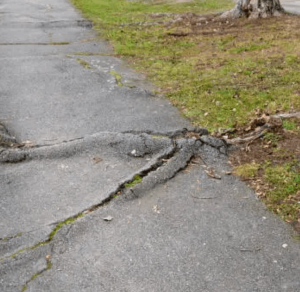
Cracked sidewalk with raised pavement slabs and a grass edge near a tree
By Page Admin • April 29, 2025
Homeowners often face a tough decision when signs of concrete damage appear. Deciding between a complete replacement or a targeted repair depends on factors such as the extent of damage, the age of the installation, and your long-term plans. This guide explains the key differences so you can make an informed choice without overspending on unnecessary work. In this article, we’ll tell you if you need a concrete driveway repair or replace it entirely.  How to Recognize Common Issues Before deciding on replacement or concrete repair, it is important to identify common problems: Cracking and Spalling: Small cracks or minor flaking might only need repair work. However, deep cracks that run the full length of your driveway or patio raise concerns about structural integrity. Uneven Surfaces: If the surface shows uneven areas or depressions that create safety concerns, a repair might suffice—but only if the underlying structure remains sound. Staining and Surface Erosion: Surface-level stains caused by weather or chemical spills can often be repaired with resurfacing methods, unlike more severe damage. In Charlotte, homeowners sometimes experience these issues due to local weather patterns and the clay-heavy soil. Recognizing the severity of these issues is your first step toward the […]
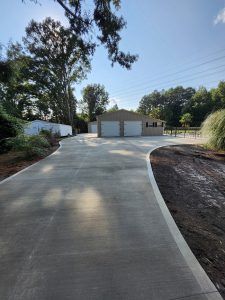
Curved concrete driveway leading to a two-car garage, bordered by trees and landscaping under a blue sky
By Page Admin • April 17, 2025
When you’re considering a new concrete driveway, price is often the first thing on your mind—and for good reason. Installing a driveway is a major investment, and homeowners in Charlotte want to feel confident they’re spending their money wisely. But with quotes ranging anywhere from $4 to $15 per square foot, it can be hard to tell what you’re actually paying for. At Youngblood Waterproofing and Concrete Services, we believe in full transparency. Here’s a closer look at what goes into the concrete driveway cost Charlotte NC, and how to make smart choices that support both your budget and long-term durability. What’s Included in the Cost of a Concrete Driveway?   The average homeowner in Charlotte pays between $5,000 and $12,000 for a standard two-car concrete driveway. That price can swing higher or lower depending on several factors, but the general breakdown includes the following: 1. Concrete Material Itself Concrete is typically sold by the cubic yard. A standard driveway pour might require 10 to 20 cubic yards of concrete, and at $130–$150 per cubic yard in the Charlotte market, that adds up quickly. Costs also vary based on the mix (basic vs. high-strength or fiber-reinforced). 2. Labor Labor is […]
By Page Admin • November 1, 2024
Are you considering a new concrete driveway or patio in Denver and debating whether to do it yourself or hire a professional? This decision isn’t just about upfront money; it’s about long-term quality and potential risks. The Challenge of Concrete Work When pouring concrete, especially in a place like Denver with its extreme temperature fluctuations, the choice between DIY and hiring a Concrete Contractor in Denver could make or break your project. While DIY seems more budget-friendly, there are hidden pitfalls that can end up costing more than you might expect. DIY Concrete Projects A cost-effective option for small projects but involves high risks of errors and significant time investment, which can lead to increased expenses over time. 1) Material and Equipment Costs 2) Labor and Time Commitment 3) Hidden Costs Hiring a Concrete Contractor in Denver Provides professional expertise, quality results, and long-term warranties, ultimately saving time and money, especially for larger, complex projects that require precision. 1) Upfront Pricing vs. Long-term Savings Hiring a Concrete Contractor in Denver might seem costlier initially, but these professionals provide comprehensive quotes covering labor, materials, and equipment. Bulk rates for materials can also lower the costs compared to what a DIYer would […]
By Page Admin • November 1, 2024
Living in Denver has its fair share of stunning views, but it also means enduring unpredictable and harsh weather conditions. With freezing winters, scorching summers, and sudden rainfall, outdoor structures—especially balconies—can face significant wear and tear. This begs the question: Can balcony waterproofing protect against Denver’s harsh weather? The answer is a resounding yes!Learn how balcony waterproofing in Denver and almost anywhere can safeguard your outdoor spaces, prolong your balcony’s lifespan, and enhance your home’s value. From understanding how Denver’s weather impacts your balcony to the best waterproofing methods available, we’ve got you covered! Why is Balcony Waterproofing So Important in Denver? Denver’s climate is known for its extremes. From intense UV rays in the summer to freezing temperatures and snow during winter, these weather changes can significantly impact the structural integrity of your balcony. Moisture can seep into cracks without proper balcony waterproofing, leading to rotting wood, rusting metal, and, eventually, costly repairs or structural failure. Balcony waterproofing is essential to prevent water damage, maintain safety, and enhance the durability of outdoor spaces. In the following sections, we’ll discuss the key benefits of waterproofing your balcony, explain how it works, and answer common questions. How Does Denver’s Weather Impact […]
By Page Admin • November 1, 2024
A pool deck goes through a lot year after year. Between constant sun exposure, heavy foot traffic, rain, pool chemicals, and moisture buildup, the surface naturally starts to wear down over time. Without proper protection, small cracks and surface damage can eventually lead to larger structural issues that are much more expensive to repair. That’s why pool deck waterproofing is an important part of long-term maintenance. A properly sealed and waterproofed surface helps protect the concrete from water intrusion, chemical exposure, and premature deterioration while keeping the area safer and easier to maintain. At Youngblood Waterproofing & Concrete Services, we help homeowners protect their pool decks with waterproofing solutions designed to improve durability and extend the life of concrete surfaces. Why Pool Deck Waterproofing Matters Pool decks are constantly exposed to moisture. Even when water dries from the surface, some of it can still seep into small pores and cracks in the concrete. Over time, this moisture can weaken the surface and contribute to cracking, erosion, discoloration, and surface deterioration. Pool chemicals can also gradually wear down unprotected concrete. Chlorine, saltwater systems, and cleaning chemicals may accelerate surface damage if waterproofing protection begins to break down. Waterproofing creates a protective […]