Pros and Cons of a Concrete Driveway
Did you know a well-installed concrete driveway can last up to 50 years with little care? Concrete is very durable and long-lasting, making it a favorite among homeowners. It costs about $6 per square foot on average, which is why many choose it.
But, it’s key to consider both sides before choosing concrete. While it’s strong and easy to maintain, it might cost more than gravel or asphalt. Also, plain concrete can look dull, but you can add color or patterns to make it look better. This can almost double the cost.
So, is a concrete driveway right for you? In this article, we’ll explore the good and bad of concrete paving . We’ll also look at how to install it, how to keep it up, and how to make it unique. By the end, you’ll know if a concrete driveway fits your home and budget .
Key Takeaways
- Concrete driveways can last 25 to 50 years with proper maintenance
- The average cost of a basic concrete driveway is $6 per square foot
- Decorative finishes can significantly increase the cost of a concrete driveway
- Concrete is more durable than asphalt and requires less maintenance
- Concrete driveways should be sealed annually for longevity
- Concrete offers customization options like coloring and stamping for a unique look
Durability and Longevity
Concrete driveways are very durable and last a long time. They are made strong with a solid base and extra support. This makes them perfect for heavy vehicles .
Strength and Solidity
Concrete is incredibly strong and solid. It’s great for driveways that need to handle cars, trucks, and more every day. It keeps your driveway strong and working well, even when it’s under a lot of pressure.
Concrete driveways get even stronger with the right installation. This includes:
- Preparing a stable and well-compacted base layer
- Using high-quality concrete mix with the right proportions
- Incorporating reinforcement materials like steel wire or rebar
- Ensuring proper curing and sealing of the concrete surface
Lifespan of 50 Years or More
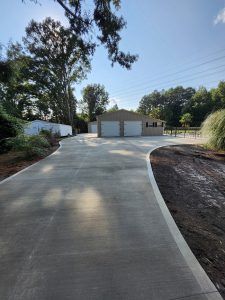
With the right care, a concrete driveway can last 50 years or more. This makes it a smart and affordable choice for homeowners. It’s a driveway that will last for decades.
To keep your driveway looking good for years, follow these tips:
| Maintenance Practice | Frequency | Benefits |
|---|---|---|
| Pressure washing | Annually | Removes dirt, stains, and debris |
| Sealing | Every 1-3 years | Protects against moisture, chemicals, and wear |
| Crack repair | As needed | Prevents further damage and extends lifespan |
| Avoiding harsh chemicals | Continuously | Minimizes surface deterioration |
A well-maintained concrete driveway is an investment that pays off in the long run, providing a reliable and durable surface for your vehicles for many years to come.
Choosing a concrete driveway and taking good care of it means you get a driveway that’s strong, solid, and lasts a long time. It adds value and function to your home.
Cost Considerations
Cost is a big deal when you’re thinking about a concrete driveway. The average price for a basic driveway is between $4 and $10 per square foot. This usually means a 16 x 38 driveway will cost about $3,900.
But, the price can change a lot based on what you want. For example, a colored or stamped finish can almost double the cost. Trying to do it yourself might seem like a way to save money. But, pouring a driveway is hard work and needs to be done fast. It’s best to hire a pro to get it right and quick.
Affordable Option Compared to Other Materials
Even with decorative finishes, concrete is still cheaper than other driveway materials. Here’s a comparison of driveway costs :
| Driveway Material | Average Cost per Square Foot |
|---|---|
| Crushed Gravel | $1.25 – $1.80 |
| Asphalt | $3.00 – $5.00 |
| Plain Concrete | $5.00 – $7.00 |
| Decorative Concrete | $8.00 – $18.00 |
| Concrete Pavers | $10.00 – $40.00 |
| Stone Pavers | $40.00 – $70.00 |
Decorative concrete is right in the middle of the price range. This makes it a good choice for many homeowners.
Professional Installation Recommended
It might seem smart to do it yourself to save money. But, I really think you should hire a pro. They have the skills, tools, and knowledge to make sure your driveway is top-notch. They can also guide you through all the options and help fit your needs and budget .
Getting a pro to install your driveway might cost more at first. But, it saves you time, stress, and money in the long run. It prevents mistakes and makes sure your driveway lasts a long time.
Maintenance Requirements
To keep your concrete driveway looking great, regular maintenance is key. Concrete is tough, but it still needs care to stay in top shape. This care helps prevent damage from daily use.
Annual Sealing and Cleaning
Sealing your concrete driveway once a year is crucial. A good sealer protects it from moisture, stains, and weather damage. This is vital in snowy areas, as road salts can harm concrete.
Cleaning your driveway regularly is also important. Sweep away debris and clean spills quickly to avoid stains. A stiff brush and hose can make your driveway look new again.
Stain Resistance
Concrete can resist stains, but it’s not perfect. Spills like oils and fluids can stain if not cleaned fast. Here’s how to handle common stains:
- Oil and grease: Sprinkle sawdust or cat litter, then sweep and scrub with degreaser and hot water.
- Rust: Use a rust remover or lemon juice and salt to remove stains.
- Fertilizers: Rinse with water right away to dilute and remove chemicals.
Avoid parking heavy vehicles on your driveway to prevent damage. Also, use sand or kitty litter for winter traction instead of de-icing chemicals.
Concrete driveways need resealing every two years to stay looking good and durable.
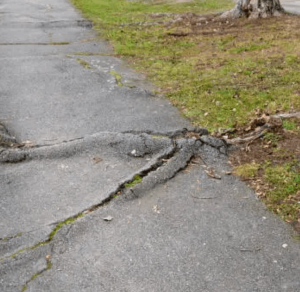
Fix cracks in your concrete right away. Small cracks can grow and cause more damage if not fixed. Use a quality crack filler and follow the instructions for best results.
| Maintenance Task | Frequency |
|---|---|
| Sealing | Annually |
| Cleaning | As needed, at least monthly |
| Stain removal | Immediately after spills occur |
| Crack repair | As soon as cracks appear |
By doing these maintenance tasks regularly, your concrete driveway will last for many years. A bit of upkeep each month can protect your investment and improve your home’s look.
Aesthetic Appeal
Many homeowners love the look of decorative concrete driveways . Plain concrete can seem dull. But, adding colors, patterns, or finishes can make it stunning.
Stamped concrete is a popular choice. It looks like brick, stone, or wood. It’s affordable and eco-friendly, with many design options.
Coloring concrete is another great way to improve its look. Pigments or color hardeners create lasting colors. Concrete stains can add even more hues, from earth tones to bright colors.
I love how my new decorative concrete driveway has completely transformed the look of my home. It’s like having a beautiful, custom work of art right outside my front door!
When replacing your driveway, consider these options:
- Stamped concrete patterns
- Colored concrete using pigments or stains
- Exposed aggregate finishes
- Decorative saw-cut designs
- Permeable pavers for an eco-friendly touch
| Decorative Concrete Option | Benefits |
|---|---|
| Stamped Concrete | Mimics the look of brick, stone, or tile at a lower cost |
| Colored Concrete | Offers vibrant, long-lasting colors resistant to fading |
| Exposed Aggregate | Creates a unique, slip-resistant surface with visual interest |
| Decorative Saw-Cut Designs | Adds custom patterns and designs for a personalized touch |
Decorative elements can make your driveway unique. They boost your home’s curb appeal and show off your style. Concrete’s versatility means endless design possibilities.
Concrete Driveway Composition
Concrete driveways are made of key ingredients. These include cement, aggregate (like gravel and sand ), and water. The cement, often from limestone and clay , binds everything together.
Cement and Aggregate Mixture
Concrete driveways use Portland cement, a fine powder from limestone and clay . It’s mixed with different aggregate sizes for texture and strength. Coarser gravel is for the base, and finer sand for a smooth finish.
It’s vital to get the cement to aggregate ratio right. Too much aggregate makes the driveway weak. Too little makes it brittle. Experienced professionals know the right mix for a lasting driveway.
Reinforcement with Steel Wire or Rebar
Steel reinforcement adds strength to concrete driveways. This can be steel wire mesh or rebar. It spreads vehicle weight evenly, reducing cracking risk.
Steel reinforcement creates a strong bond in the concrete. This helps the driveway last longer, even under heavy loads and harsh weather. It’s a smart investment for durability.
| Concrete Type | Composition | Durability |
|---|---|---|
| Plain Concrete | Cement, aggregate, water | High, with regular sealing |
| Exposed Aggregate | Cement, decorative aggregate | Depends on proper installation |
| Stamped Concrete | Cement, aggregate, color hardener | High, but designs may fade |
Knowing your driveway’s composition helps with maintenance and repairs. Choose skilled contractors for quality and longevity. Your driveway will be beautiful and functional for years.
Installation Process
Installing a concrete driveway is a detailed process. It needs careful planning and execution. As a homeowner, I found it important to know the main steps. This ensures a durable and attractive driveway that lasts long.
Site Preparation and Excavation
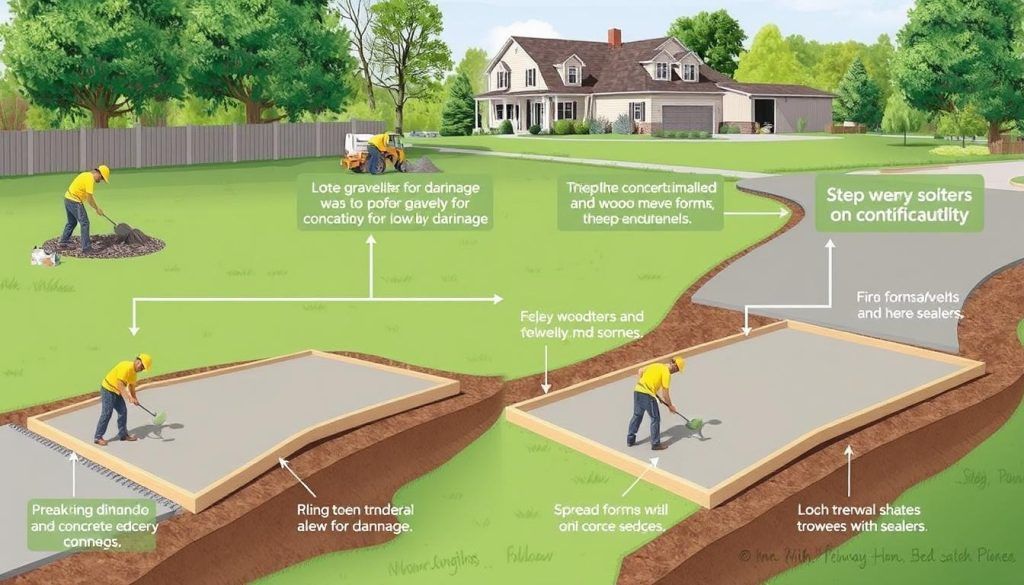
The first step is to prepare the site. This means removing any plants, making sure the soil is stable, and digging to the right depth. A 5-inch thick layer of roadbase is crucial for a solid base before pouring the concrete.
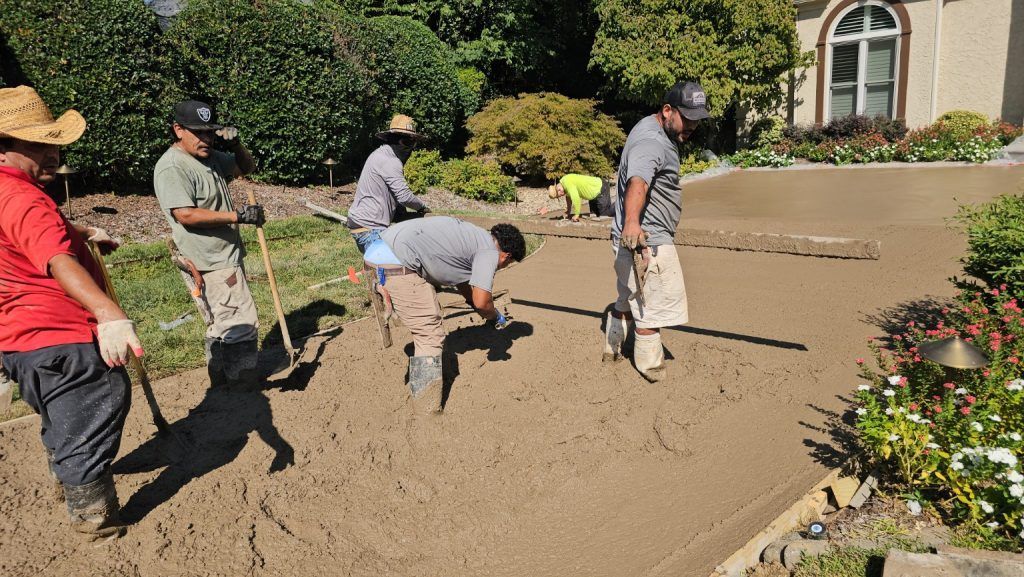
Next, I set up wooden forms around the driveway. These forms create a border and hold the concrete in place. It’s key to make sure the forms are level and secure to avoid any movement during pouring.
Forming and Pouring Concrete
With the site ready and forms set, I added a 4-inch thick layer of class-5 gravel . This gravel was then graded and compacted for a strong base. Compacting the fill material and soil is vital to support the concrete’s weight and prevent settling.
Before pouring the concrete, I placed steel reinforcement like rebar or mesh wire on top of the gravel. This reinforcement boosts the driveway’s strength and durability, helping it handle heavy loads and resist cracks.
The concrete pour needs careful planning and a skilled team. The concrete is poured, leveled, and smoothed using tools like screeds and trowels. Proper leveling is key to avoid water pooling on the driveway.
| Driveway Size | Recommended Concrete (cubic yards) |
|---|---|
| 12′ x 50′ x 4″ | 7.4 |
| 16′ x 40′ x 4″ | 7.9 |
| 24′ x 24′ x 4″ | 7.1 |
Finishing Techniques
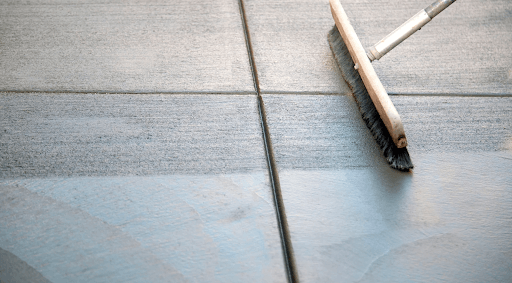
After pouring and leveling the concrete, the crew applies finishing techniques. This can include making expansion joints , adding decorative finishes, or giving the surface a smooth look. Timing is critical during this stage as the concrete sets quickly.
The crew must work fast to complete the finishing touches before the concrete hardens. This ensures the driveway looks and feels great.
Installing a concrete driveway is a big project. It requires careful planning, site preparation, and a skilled team. By understanding the key stages, I felt more confident in overseeing the installation. This ensured a high-quality, durable driveway for my home.
Curing and Waiting Period
After pouring and finishing the concrete driveway, it goes through a curing process. This process hardens and strengthens the material. The best temperature for curing is around 70°F (21°C). It’s important to keep the surface damp but not wet during this time.
In cooler weather, curing takes longer. In hot weather, you need to dampen the surface often. This prevents it from drying out too quickly.
It’s crucial to let your new concrete driveway cure and dry before using it heavily. Here’s a general timeline:
- After 24-48 hours: It’s safe to walk on the driveway.
- After 3 days: Light vehicles like bicycles, scooters, and skateboards can be used on the surface.
- After 7 days: The concrete has attained approximately 70% of its potential strength, allowing you to drive and park cars on the driveway.
- After 28 days: Your driveway has reached its full strength and can handle heavier vehicles like RVs and large trucks.
Patience is key when it comes to your new concrete driveway. Giving it the proper time to cure and dry will ensure its longevity and durability for years to come.
Several factors can influence the curing time of your concrete driveway, including:
| Factor | Impact on Curing Time |
|---|---|
| Weather conditions | Temperatures above 50°F (10°C) can speed up the curing process, while colder temperatures may prolong it. |
| Humidity | Ambient relative humidity can impact the drying process after the concrete has cured. |
| Water-cement ratio | Excessive water in the concrete mix can prolong curing and drying periods. |
| Slab size | Larger slabs may take longer to cure than smaller ones. |
| Concrete mix | Different concrete mixes may have varying curing times. |
While the curing and waiting period for a new concrete driveway may seem like an inconvenience, it’s a small price to pay. It ensures a surface that can last 40 years or more with proper care and maintenance. If you’re in a rush, consider installing a concrete paver driveway. It allows for immediate use after installation.
Customization Options
Choosing a concrete driveway offers many customization options. Homeowners can pick from colored concrete , stamped patterns , and decorative finishes. This lets them create a driveway that matches their home’s style and boosts curb appeal.
Coloring and Stamping
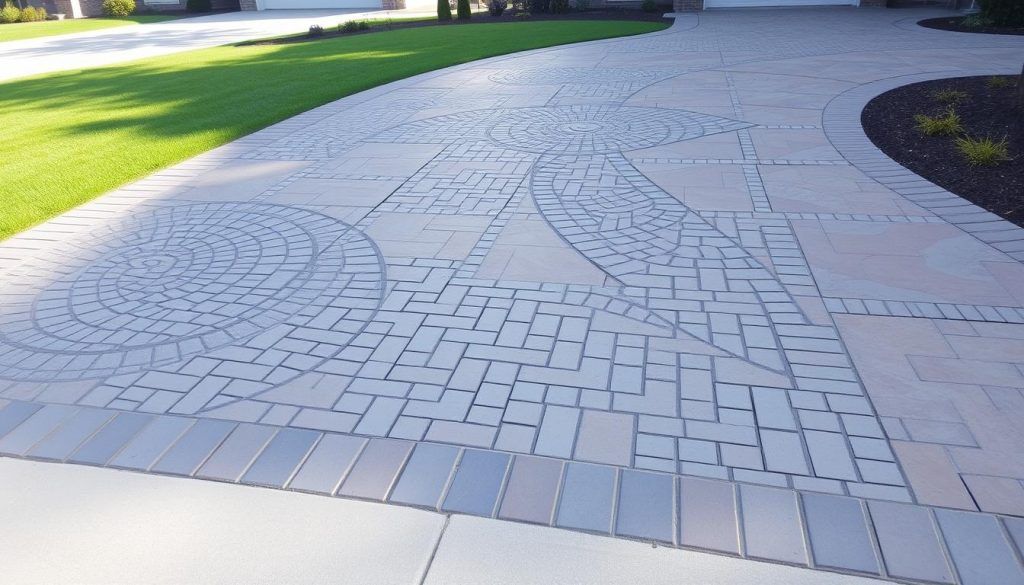
Colored concrete is a popular choice for driveways. It comes in many hues and shades. Homeowners can mix colors into the concrete or use stains and dyes for more options. Stamped patterns , like brick or stone, add texture and interest.
| Customization Option | Cost per Square Foot |
|---|---|
| Basic Concrete | $4 – $8 |
| Colored Concrete | $15 – $25 |
| Stamped Concrete | $15 – $25 |
Decorative Finishes
There are many decorative finishes for concrete driveways. Exposed aggregate reveals stone or gravel for a natural look. A polished surface gives a sleek, modern appearance that’s easy to keep up.
- Broom finish for improved traction
- Rock salt finish for subtle texture and skid resistance
- Exposed aggregate for durability and skid resistance
- Staining for an economical and versatile upgrade
- Stamped patterns like cobblestone, brick, slate, or flagstone
- Engraving techniques for adding patterns and designs
- Sawcut patterns for decorative borders or tile-like designs
- Stencils and concrete overlays for transforming existing driveways
Exploring customization options for concrete driveways lets homeowners create a unique entrance. It boosts curb appeal and provides a durable surface for years.
Conclusion
Concrete is a great choice for driveways because it’s durable and easy to care for. It also comes in many designs. When picking a driveway, think about your local weather, how much wear it will get, and your budget .
Concrete driveways might cost more upfront than other options. But, they save money over time because they last so long. With the right care, a concrete driveway can last decades, making your home look better and possibly worth more.
If you’re thinking about a concrete driveway, talk to a local expert. They can look at your situation and give advice. They’ll help make sure your driveway will last for years to come.
FAQ
How long does a concrete driveway typically last?
A well-made concrete driveway can last 50 years or more. It’s a durable and long-lasting option for your home.
How much does a concrete driveway cost?
The cost of a concrete driveway varies. On average, it’s about $6 per square foot. A 16 x 38 driveway costs around $3,900. Adding colors or stamps can increase the price.
Can I install a concrete driveway myself?
Homeowners can try to install a concrete driveway. But, it’s hard work and needs to be done quickly. It’s best to hire professionals for the best results.
What maintenance is required for a concrete driveway?
You should seal your driveway every year and clean it with a hose and stiff brush. Fix big cracks with quality filler. Clean oil and fluid stains right away.
Can I customize the appearance of my concrete driveway?
Yes, you can make your concrete driveway unique. Use stains, dyes, or color to change the look. Stamping can create patterns like brick or stone. You can also add decorative finishes like exposed aggregate or a polished surface .
What is the composition of a concrete driveway?
Concrete is made of stone aggregate and a mix of water and cement. Steel wire or rebar is added to make it stronger.
What is the installation process for a concrete driveway?
To install a concrete driveway, first remove plants. Then, prepare the soil and set up wood forms. Add gravel, steel reinforcement, pour concrete, and finish the surface.
How long does it take for a concrete driveway to cure?
Curing is a slow process that hardens the concrete. Wait at least a week before driving on it. A month is needed before parking heavy vehicles . Seal it after a month or two.
Is a concrete driveway the right choice for my home?
Consider your climate , weather, wear and tear , and budget when choosing a driveway. Talking to a professional can help decide if concrete is right for you.